
Introduction
Fitness is one of the most important aspects of a healthy lifestyle. It is the ability of a person to perform daily activities with energy, strength, and efficiency without becoming overly tired. Fitness is not only about exercising or building muscles; it also includes eating nutritious food, getting enough sleep, maintaining mental well-being, and following healthy habits. In today’s fast-paced world, many people spend long hours sitting at desks or using electronic devices, making regular fitness activities more important than ever. By staying fit, we can improve our physical health, mental health, and overall quality of life.
Why Do We Do Fitness?
People do fitness for many reasons, but the main purpose is to stay healthy and active. Regular exercise strengthens the heart, muscles, and bones while improving flexibility and endurance. Fitness also helps people perform everyday tasks more easily, whether it is walking, climbing stairs, carrying groceries, or playing with children. In addition to physical health, fitness improves mental well-being by reducing stress, anxiety, and depression. It gives people more confidence, increases energy levels, and helps them enjoy life to the fullest. Fitness is not just for athletes; it is essential for everyone regardless of age or profession.
Importance of Fitness
Fitness is important because it supports every part of our health. A fit body functions more efficiently, allowing the heart, lungs, and muscles to work together effectively. Regular physical activity lowers the risk of serious health conditions such as heart disease, high blood pressure, diabetes, obesity, and certain types of cancer. It also improves blood circulation, strengthens the immune system, and promotes healthy aging. People who stay fit are generally more productive, have better concentration, and experience fewer health-related problems throughout their lives.
Physical Benefits of Fitness
Physical fitness provides numerous benefits that improve the body’s overall performance. Regular exercise strengthens muscles, increases bone density, and improves flexibility and balance. It enhances cardiovascular health by improving blood circulation and reducing the risk of heart disease. Exercise also helps maintain a healthy body weight by burning calories and boosting metabolism. Activities such as walking, jogging, swimming, cycling, yoga, and strength training improve endurance, coordination, and posture. A physically fit person is more energetic and can complete daily activities with less effort and fatigue.
Mental Benefits of Fitness
Fitness is equally beneficial for mental health. During exercise, the brain releases chemicals called endorphins, often known as “feel-good hormones,” which improve mood and reduce stress. Regular physical activity helps reduce symptoms of anxiety and depression while improving emotional well-being. It also enhances concentration, memory, and problem-solving skills by increasing blood flow to the brain. Exercise promotes better sleep, which is essential for maintaining a healthy mind. People who exercise regularly often feel more confident, motivated, and emotionally balanced.
Social Benefits of Fitness
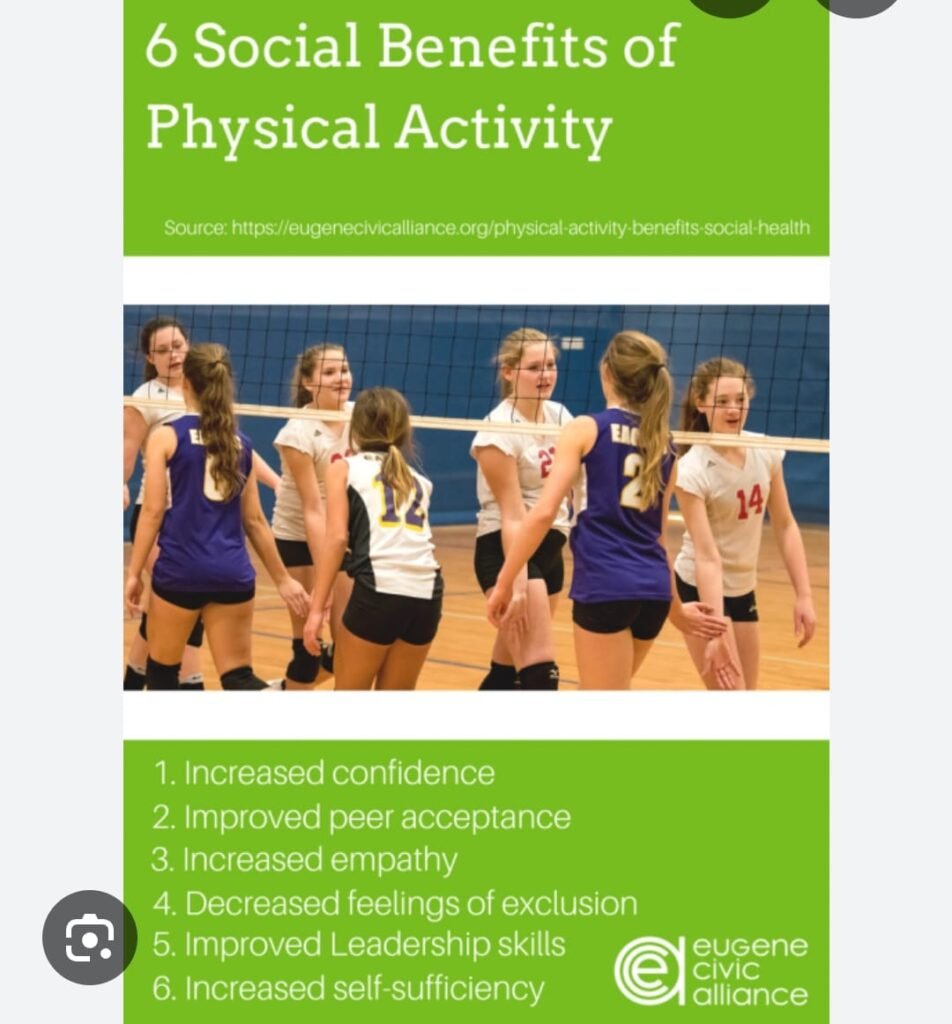
Fitness also contributes to better social health. Participating in sports, gym sessions, yoga classes, or group fitness activities allows people to meet new friends and develop strong relationships. Team sports teach cooperation, communication, discipline, and leadership skills. Working out with others can increase motivation and make exercise more enjoyable. Fitness activities also encourage people to support one another in achieving health goals, creating a positive and encouraging environment.
How to Maintain Fitness
Maintaining fitness requires consistency and healthy lifestyle choices. The first step is engaging in regular physical activity for at least 30 to 60 minutes on most days of the week. A balanced diet containing fruits, vegetables, whole grains, lean proteins, and healthy fats provides the nutrients needed for energy and recovery. Drinking enough water keeps the body hydrated and supports important body functions. Getting 7 to 9 hours of quality sleep each night allows the body to recover and repair itself. Managing stress through meditation, deep breathing, or hobbies also contributes to overall fitness. Avoiding harmful habits such as smoking, excessive alcohol consumption, and unhealthy eating further supports long-term health.
Common Challenges in Staying Fit
Many people find it difficult to maintain a fitness routine because of busy schedules, lack of motivation, or limited access to exercise facilities. Some people may also struggle with unhealthy eating habits or spend too much time sitting. These challenges can be overcome by setting realistic goals, creating a daily exercise schedule, choosing enjoyable physical activities, and staying consistent. Even simple activities such as walking, stretching, or cycling can make a significant difference when practiced regularly.
Tips for a Healthy Fitness Routine
Developing a healthy fitness routine begins with setting achievable goals and staying committed. Start with simple exercises and gradually increase the intensity as fitness improves. Always warm up before exercising and cool down afterward to prevent injuries. Eat balanced meals, stay hydrated, and avoid skipping meals. Rest is equally important because muscles need time to recover after exercise. Tracking progress can help maintain motivation and encourage long-term success. Most importantly, choose activities that are enjoyable so fitness becomes a regular part of everyday life rather than a temporary habit.
Conclusion
Fitness is essential because it helps us live healthier, happier, and more productive lives. It improves physical strength, mental well-being, emotional balance, and social interaction. Regular exercise, healthy eating, proper sleep, and positive lifestyle choices work together to build a strong and healthy body. Fitness is not about achieving perfection but about making consistent efforts to improve overall health. By making fitness a daily habit, people of all ages can reduce the risk of disease, increase their energy, boost their confidence, and enjoy a better quality of life for many years.